PWDT is a registered Tanzanian NGO (00NGO/R/4921) established by visionary youth leaders dedicated to transforming Arusha's pastoralist communities.
Our foundation is built on the belief that inclusive development starts with grassroots advocacy and the protection of indigenous rights. We work across Longido, Monduli, Meru, and Ngorongoro Districts serving pastoralist and Indigenous Maasai communities.
Ministry Registration No. 00NGO/R/4921
Working alongside local leaders for cultural alignment
Women and girls have full access to economic, educational, and social opportunities that enable sustainable wellbeing and dignity.
To enhance community wellbeing through educational support, anti-FGM campaigns, skills development, legal empowerment, gender advocacy, and water, sanitation, and hygiene initiatives.
We address the most critical challenges facing women and girls in pastoralist communities through five integrated program areas.
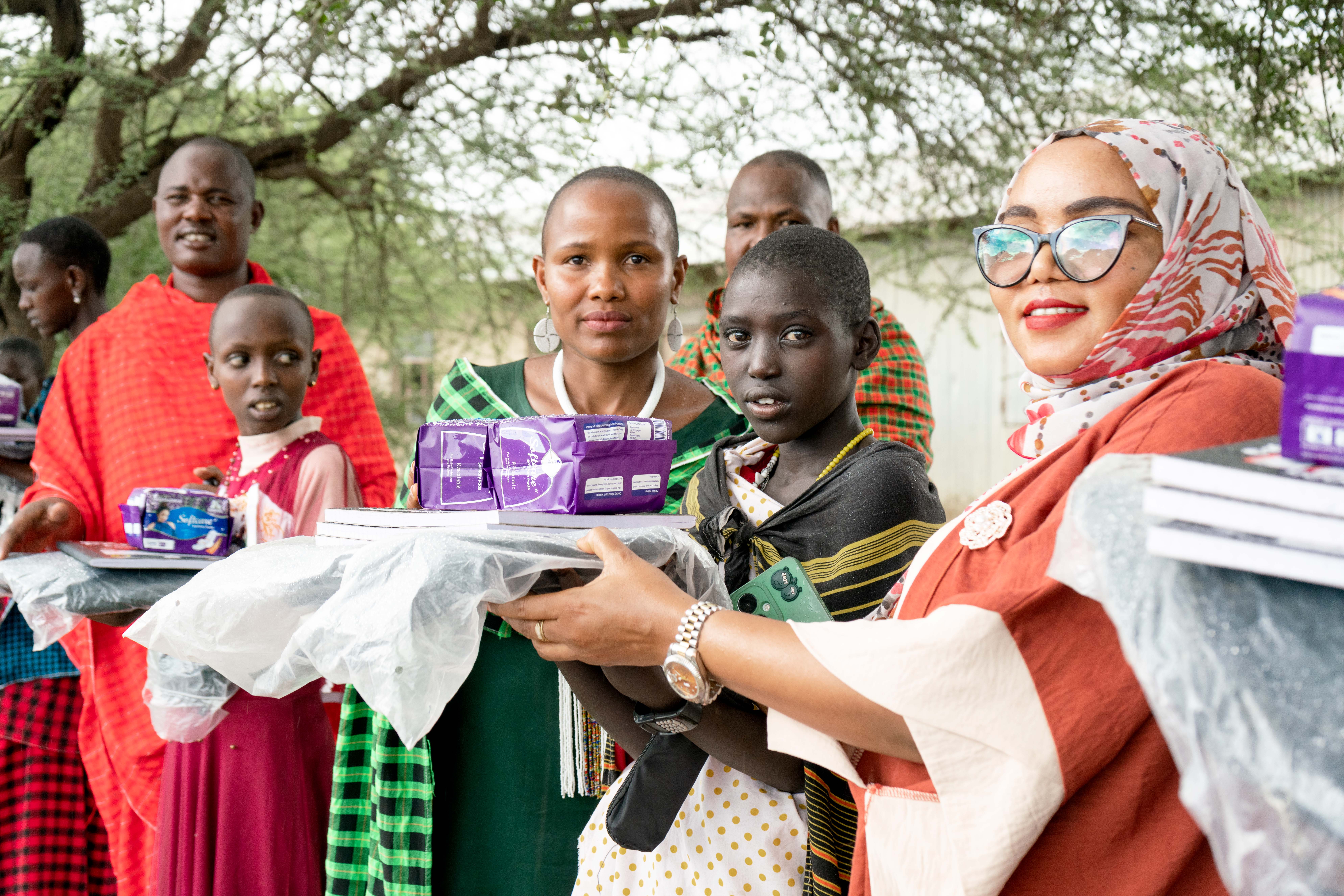
Breaking barriers through school fee assistance, uniforms, and learning materials for vulnerable girls in pastoralist communities.
Transitioning women from acute vulnerability to sustainable financial independence through training and VSLA establishment.
Zero tolerance policy through community dialogue forums, school-based awareness, and rescue & legal referral systems.
Bridging the gap between traditional customs and constitutional rights for Indigenous pastoralist women.
Addressing critical sanitation and water accessibility challenges to ensure health, dignity, and school retention for girls.
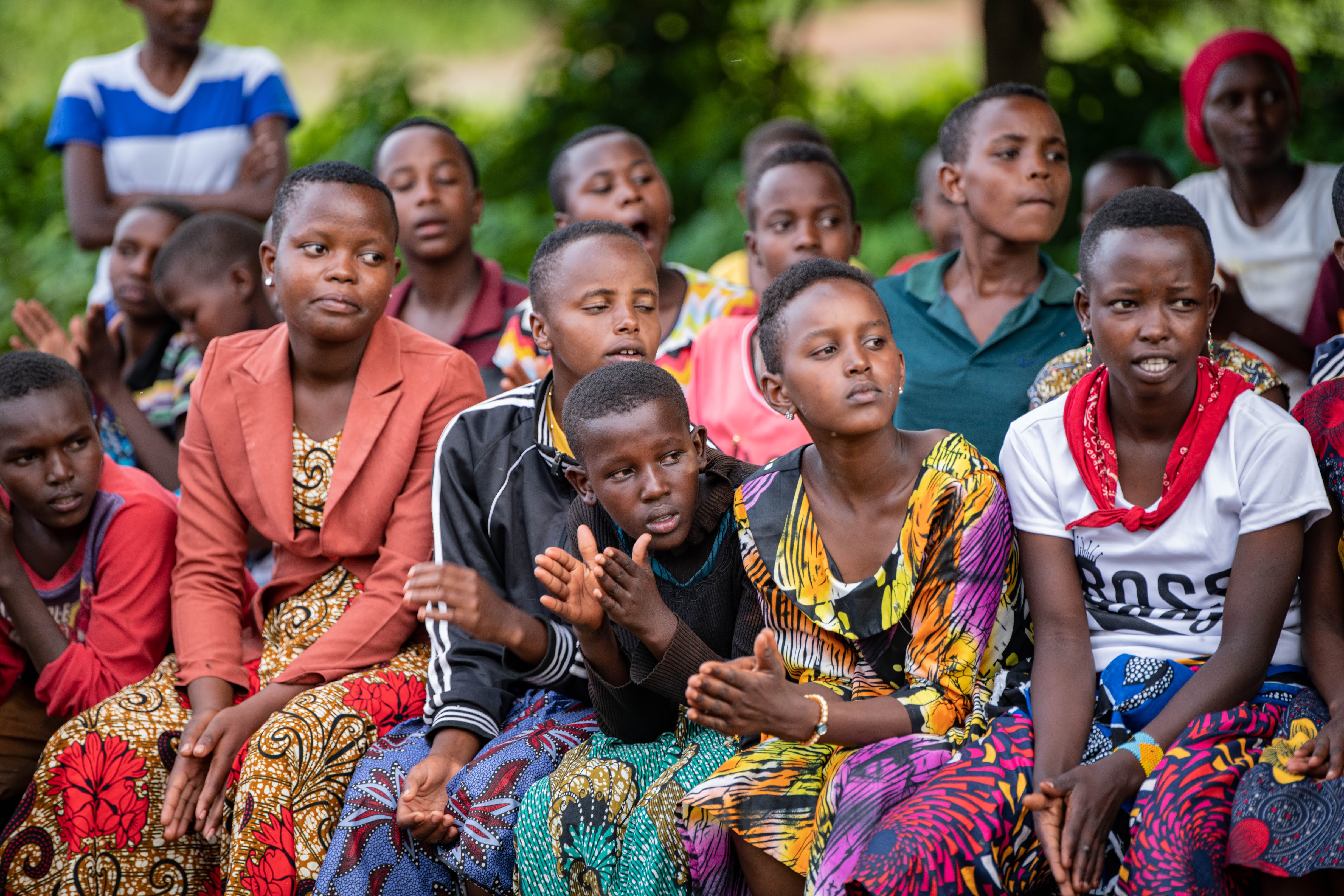
Browse our photo gallery to witness the real impact of PWDT's work in pastoralist communities across Northern Tanzania.
By focusing on those often left furthest behind, we ensure that transformation is not just systemic, but deeply personal and generational.
Targeting vulnerable students in pastoralist communities to increase school retention and eliminate harmful traditional practices.
Indigenous women in Longido, Monduli, and Ngorongoro who lack access to formal education, land rights, and decision-making.
Empowering widows through financial literacy and entrepreneurship, transitioning them to household stability.
Providing legal aid referrals, psychological support, and community-led protection systems for survivors.
Equal rights and opportunities for women and girls in all spheres of life.
Respect for all individuals regardless of background, status, or belief.
Inclusive grassroots engagement to ensure local ownership of projects.
Transparent operations and fiscal responsibility in all activities.
Engaging respectfully within pastoralist traditions while advocating for reform.
Long-term solutions and capacity building rather than short-term aid.
These districts are primarily home to pastoralist and Indigenous Maasai communities. Despite their rich cultural heritage, these areas face acute structural challenges that limit the potential of women and girls.
Arusha Region
Arusha Region
Arusha Region
Arusha Region
Our governing board provides strategic oversight and ensures the highest standards of accountability, transparency, and compliance.

BSc Computer Science, MBA - International Business
B.A Education, M.A Education Management, M.A Project Planning
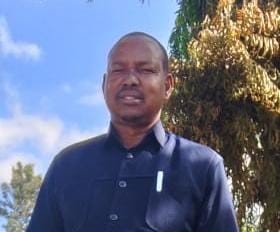
BSc Education, MBA in Economics

BSc Community Development, MBA Gender & Development
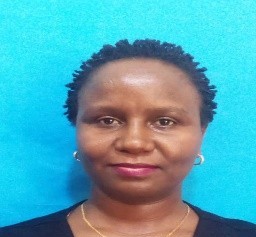
MD, MSc Health Economics and Policy
Join us in advancing the rights, dignity, and wellbeing of women and girls in Northern Tanzania. Together, we can create generational change.